Brush Stroke Frame and Grunge Stroke Frame: A Practical Guide for Designers
In the evolving landscape of digital design, texture and organic imperfection have become valuable tools for creating visual interest. Among the most versatile assets available to modern creators are the Brush Stroke Frame and Grunge Stroke Frame. These elements serve as more than mere decorative borders; they function as structural components that can define space, guide the viewer’s eye, and inject personality into otherwise flat compositions. This article explores the utility, application, and strategic considerations of incorporating these paintbrush stroke assets into your creative workflow.
Understanding Brush and Grunge Stroke Frames
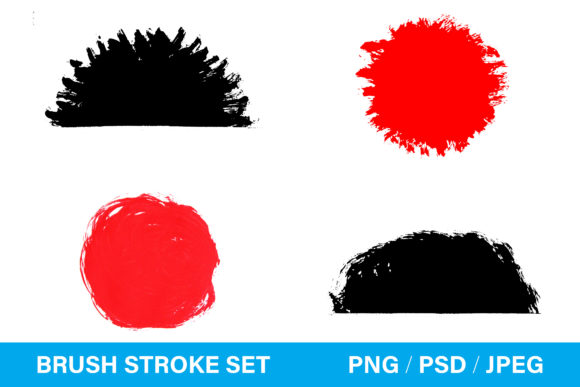
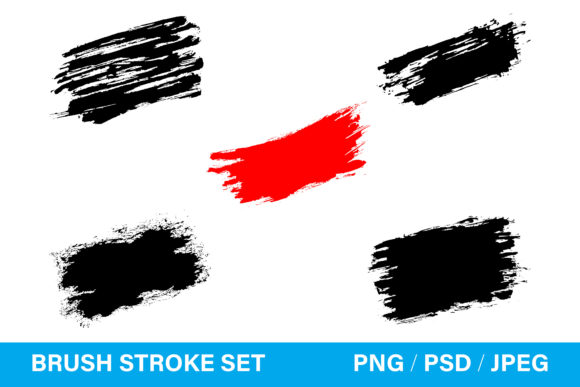
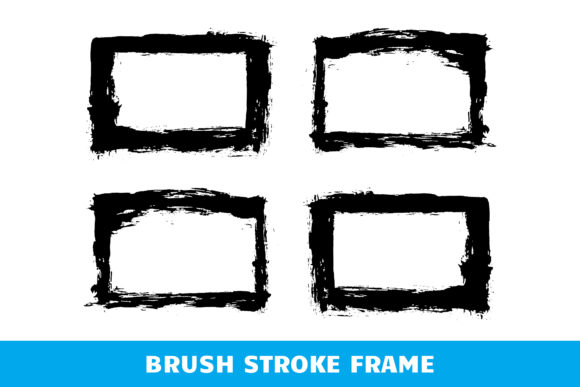
A Brush Stroke Frame typically refers to a border or enclosing shape created using digital simulations of traditional paintbrush marks. Unlike geometric vectors with perfect curves, these frames retain the irregularities of hand-painted art, such as varying opacity, bristle texture, and uneven edges. When combined with a Grunge Stroke Frame, the aesthetic shifts toward a more weathered, distressed, or raw appearance. Grunge elements often incorporate speckles, scratches, and faded areas, mimicking the look of aged print or street art.
This set of paintbrush strokes is perfectly created for your creative projects because it bridges the gap between digital precision and analog warmth. The primary value proposition lies in versatility. These paintbrush strokes come in different formats so you can use these paintbrush strokes anywhere you want. Whether you are working on high-resolution print media or low-resolution web graphics, the adaptability of these assets ensures consistent quality across platforms.
Key Benefits and Strategic Advantages
Integrating brush and grunge frames into your design toolkit offers several distinct advantages. First, they provide immediate visual hierarchy. By framing content with organic strokes, you create a natural focal point that draws attention to central elements, such as text or product images. Second, they add emotional resonance. Clean, minimalist designs can sometimes feel sterile; adding a grunge texture introduces a sense of history, authenticity, or ruggedness that resonates with specific audiences.
Furthermore, efficiency is a significant benefit. Creating realistic brush strokes from scratch requires advanced digital painting skills and considerable time. Using pre-made assets allows designers to achieve professional results quickly, freeing up resources for other aspects of the project. The inclusion of multiple file formats—specifically PSD, JPEG, and PNG—ensures compatibility with various software ecosystems. PSD files allow for layer manipulation and color adjustment, while transparent PNGs offer plug-and-play convenience for non-destructive editing.
Practical Applications Across Industries
The utility of these assets extends far beyond simple decoration. You can use these brush strokes for your design, Craft Projects, Card, T-shirts, Packaging, Book Cover, Logo, Website, Social Media Banner, Banner, or anywhere you need. Below are specific contexts where these frames excel:
- Branding and Logos: For brands aiming to convey creativity, artisanal quality, or rebellion, a grunge frame can soften corporate rigidity. It works particularly well for coffee shops, music venues, and boutique clothing lines.
- Packaging Design: On physical products, textured frames can simulate hand-labeling, suggesting small-batch production or premium craftsmanship. This tactile visual cue can influence purchasing decisions on crowded shelves.
- Digital Marketing: In social media banners and website headers, brush strokes break the monotony of grid-based layouts. They can highlight promotional offers or call-to-action buttons without appearing overly aggressive.
- Print Media: For book covers and greeting cards, these elements add depth. A grunge frame around a title can suggest genre themes such as mystery, horror, or historical fiction.
Evaluating Fit: When to Use and When to Avoid
While versatile, brush and grunge frames are not universal solutions. Determining whether they align with your goals requires an honest assessment of your brand identity and audience expectations.
Situations Where They Are a Strong Fit
These assets are ideal when the design narrative benefits from human touch. If you are designing for industries like arts and crafts, entertainment, food and beverage, or lifestyle blogs, the organic nature of brush strokes complements the subject matter. They are also effective in campaigns targeting younger demographics who often appreciate authentic, less polished aesthetics over corporate perfection.
Situations Where Alternatives May Be Worth Considering
Conversely, there are scenarios where brush and grunge frames may detract from the message. In highly regulated industries such as finance, healthcare, or legal services, clarity and trust are paramount. The chaotic nature of grunge textures can inadvertently signal disorganization or lack of professionalism. Similarly, if your design already contains complex imagery or heavy typography, adding a textured frame may create visual clutter, reducing readability and impact. In such cases, clean geometric lines or subtle shadows may serve as better alternatives.
Technical Considerations and File Formats
To maximize the value of these assets, understanding the technical specifications is crucial. The inclusion of PSD, JPEG, and PNG files caters to different workflow needs:
- PSD (Photoshop Document): Best for designers who need full control. These files often contain separate layers for the stroke, texture, and background, allowing for custom colorization, blending mode adjustments, and scaling without quality loss.
- PNG (Portable Network Graphics): Ideal for web use and compositing. The transparent background ensures that the brush stroke integrates seamlessly over any color or image without unwanted white boxes. This format is essential for digital banners and social media graphics.
- JPEG (Joint Photographic Experts Group): Suitable for quick previews or projects where transparency is not required. While smaller in file size, JPEGs do not support transparency and may introduce compression artifacts, making them less suitable for high-end print work.
When selecting a format, consider the final output medium. For print, always prioritize high-resolution PSD or PNG files to ensure crisp edges. For web, optimized PNGs balance quality and load speed effectively.
Making the Decision
Choosing to incorporate a Brush Stroke Frame or Grunge Stroke Frame should be a deliberate design decision rather than an afterthought. Ask yourself: Does this texture enhance the story I am telling? Does it improve readability or distract from it? Is the level of distress appropriate for my brand’s tone?
These assets are powerful tools for adding character and depth, but they must be used with restraint. Overuse can lead to a dated or messy appearance. The key is integration—ensuring that the brush strokes feel like a natural part of the composition rather than a sticker placed on top. By evaluating your project’s specific needs and leveraging the flexibility of multi-format files, you can determine whether these creative elements align with your vision. Ultimately, the goal is to enhance communication, not just decoration. When used thoughtfully, brush and grunge frames can transform ordinary designs into memorable visual experiences.