Mastering Realistic Textures with Procreate Oil Brush 7 Blender Canvas Tex
Digital art has long struggled to replicate the tactile satisfaction of traditional media. While vector tools offer precision, they often lack the organic unpredictability that defines classical painting. This is where specialized tools like Procreate Oil Brush 7 Blender Canvas Tex change the workflow. It is not merely a digital stamp; it is a sophisticated simulation designed to bridge the gap between screen and easel. For professionals, hobbyists, and creators who value authenticity in their visual output, understanding how to integrate this tool into a broader creative process is essential for achieving high-quality, painterly results.
The core value of this brush lies in its dual functionality: it mimics the viscosity of oil paint while simultaneously interacting with a simulated canvas texture. This combination allows artists to move beyond flat color fills and into the realm of impressionism and textured abstraction. Whether you are creating marketing assets, illustrating children’s books, or developing fine art prints, the ability to control blend modes and texture density directly impacts the perceived quality of your work.
Integrating the Brush into Your Creative Workflow
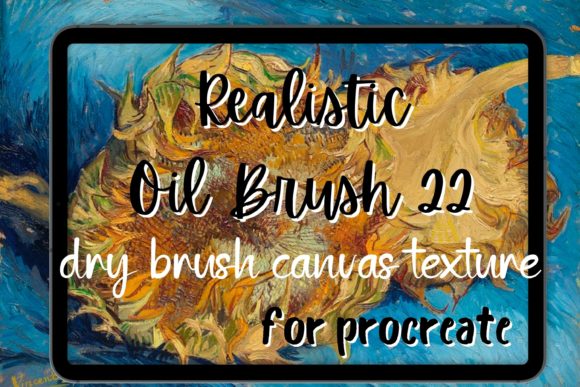
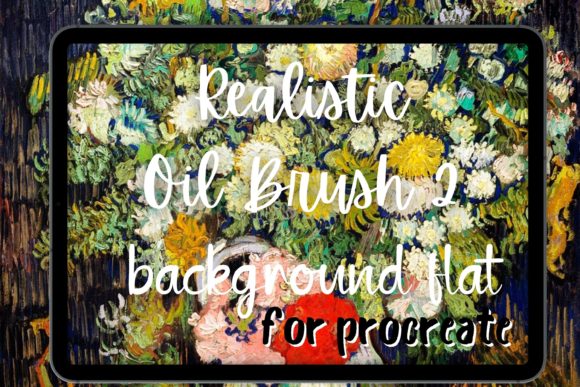
Adopting a new digital asset requires more than just downloading a file; it demands a shift in how you approach layer management and stroke application. The Procreate Oil Brush 7 Blender Canvas Texture Realistic Oil Painting Brush for Procreate fits seamlessly into various stages of a project, from initial concepting to final detailing.
Preparation and Setup
Before applying the first stroke, consider your canvas settings. Traditional oil paintings rely on the tooth of the canvas to hold pigment. In Procreate, you can enhance this effect by selecting a background layer with a subtle paper or linen texture. When you use the oil blending brush, the underlying texture interacts with the brush’s alpha channel, creating realistic variations in opacity and edge hardness. This preparation step ensures that your digital painting does not look overly smooth or plastic, a common pitfall in digital art.
Additionally, organize your palette. Oil painting is often about mixing colors on the canvas rather than selecting perfect hues from a wheel. Create a limited palette of base colors. The van gogh oil aesthetic relies heavily on bold, unmixed strokes placed side-by-side to create optical mixing. By preparing your colors in advance, you can focus on the physical act of painting rather than constant menu navigation.
The Blocking-In Phase
During the initial stages of a piece, use the brush to establish mass and form. Unlike precise line art tools, this brush is designed for coverage. Use broad, confident strokes to map out light and shadow. The oil brush strokes generated by this tool have a natural taper and weight, allowing you to convey direction and movement immediately. This phase is crucial for setting the composition’s energy. If you are working on an abstract painting, this stage may constitute the majority of your process, as the texture itself becomes the subject.
Blending and Refinement
The true power of this asset emerges during the blending phase. Traditional digital smudge tools often muddy colors, resulting in a loss of vibrancy. The Blender function within this brush set is engineered to mix pigments while retaining the structural integrity of the brushstroke. It simulates the way wet oil paint interacts when dragged across the canvas, pulling color from one area into another without completely dissolving the texture.
To achieve a painterly look, alternate between adding fresh paint and blending existing layers. This push-and-pull technique creates depth. For instance, when rendering skin tones or landscapes, lay down a base color, then use the blender to soften edges where light transitions to shadow. Keep the center of your focal point sharp with distinct van gogh brush marks, while allowing peripheral areas to blend softly. This guides the viewer’s eye and adds a sense of atmospheric perspective.
Compatibility and Technical Considerations
Understanding the technical behavior of the procreate oil brush ensures consistent results across different devices and projects. The brush is optimized for Apple Pencil pressure sensitivity, meaning that varying your touch pressure will alter both the opacity and the width of the stroke. This dynamic response is critical for mimicking the physical resistance of bristles against canvas.
- Layer Management: To maintain editability, avoid merging layers too early. Keep your textured strokes on separate layers so you can adjust opacity or blend modes later. Using "Multiply" or "Overlay" modes on top of blended layers can add richness to shadows.
- Canvas Resolution: High-resolution canvases allow the Canvas Texture details to remain crisp. If you are designing for large-format prints, ensure your document DPI is set to at least 300. Low-resolution files may cause the texture pattern to pixelate, breaking the illusion of realism.
- Brush Settings: While the brush comes pre-configured for optimal performance, feel free to tweak the streamline and jitter settings. Increasing streamline can help stabilize long, sweeping strokes, while adjusting jitter can introduce more randomness for a rougher, more expressive look.
Applications Across Industries
The versatility of this tool extends beyond fine art. Marketers and content creators can leverage the procreate bundle capabilities to produce unique visual assets that stand out in saturated digital feeds. A hand-painted texture conveys warmth and authenticity, which can be particularly effective for brands focusing on artisanal products, wellness, or heritage.
Educators and illustrators can use the van gogh oil style to create engaging educational materials. The visible brushstrokes can help demonstrate concepts of light, color theory, and composition in a way that feels accessible and human. For freelancers, offering a "hand-painted digital" service can differentiate your portfolio, appealing to clients who want the charm of traditional media without the logistical challenges of shipping physical artwork.
Achieving Consistency and Quality Control
One challenge in digital painting is maintaining consistency across a series of images. When using Procreate Oil Brush 7 Blender Canvas Tex, establish a standard workflow for texture application. Decide early on whether the canvas texture will be subtle or prominent. Document your brush settings and layer structures. This documentation serves as a reference for future projects, ensuring that your brand or artistic style remains recognizable.
Quality control also involves reviewing your work at different zoom levels. What looks detailed at 100% zoom may appear noisy or cluttered at a smaller size. Regularly zoom out to assess the overall balance of texture and form. Ensure that the oil blending brush effects enhance the image rather than distract from the subject matter. The goal is to evoke the feeling of paint and canvas, not to overwhelm the viewer with digital artifacts.
Long-Term Value and Skill Development
Investing time in mastering this brush yields long-term benefits. As you become familiar with its behavior, you will develop muscle memory that translates to faster execution times. You will learn to predict how colors will blend and how textures will interact, reducing the need for excessive undoing and reworking. This efficiency is crucial for professionals managing tight deadlines.
Furthermore, exploring the nuances of this tool can deepen your understanding of traditional painting techniques. By digitally simulating acrylic brush behaviors or oil impasto, you gain insights into material properties that can inform your physical practice if you also work with traditional media. It creates a feedback loop between digital and analog skills, making you a more versatile creator.
In conclusion, Procreate Oil Brush 7 Blender Canvas Tex is more than a preset; it is a gateway to a more expressive, tactile digital workflow. By integrating it thoughtfully into your process—respecting preparation, leveraging its blending capabilities, and maintaining technical discipline—you can produce work that resonates with the warmth and depth of traditional oil painting. Whether you are aiming for the swirling energy of procreate van gogh styles or subtle, realistic portraits, this tool provides the necessary foundation for authentic digital expression.